

If you’re a homeowner in Indiana, you know that the state’s climate creates unique challenges for maintaining a healthy lawn. Hot summers, cold winters, and everything in between make grass selection an important decision. That’s where cool season grasses come in. These grasses thrive in the Midwest’s fluctuating temperatures, offering durability, density, and color for much of the year.
Choosing the right grass seed blend can feel overwhelming, but many property owners turn to contractor grass seed when establishing or repairing lawns. These blends are affordable, easy to apply, and designed to cover large areas quickly.
Top Cool-Season Grass Types
Cool season grasses are designed to flourish in northern climates like Indiana, where winters are cold and summers can be moderately hot. Below are some of the most common and reliable types:
Kentucky Bluegrass
Kentucky bluegrass is a favorite in Indiana lawns thanks to its fine texture, vibrant color, and ability to spread through underground rhizomes. It creates a dense, carpet-like lawn but requires consistent maintenance, including watering and fertilization. While slower to germinate than other varieties, its long-term durability makes it a solid choice.
Perennial Ryegrass
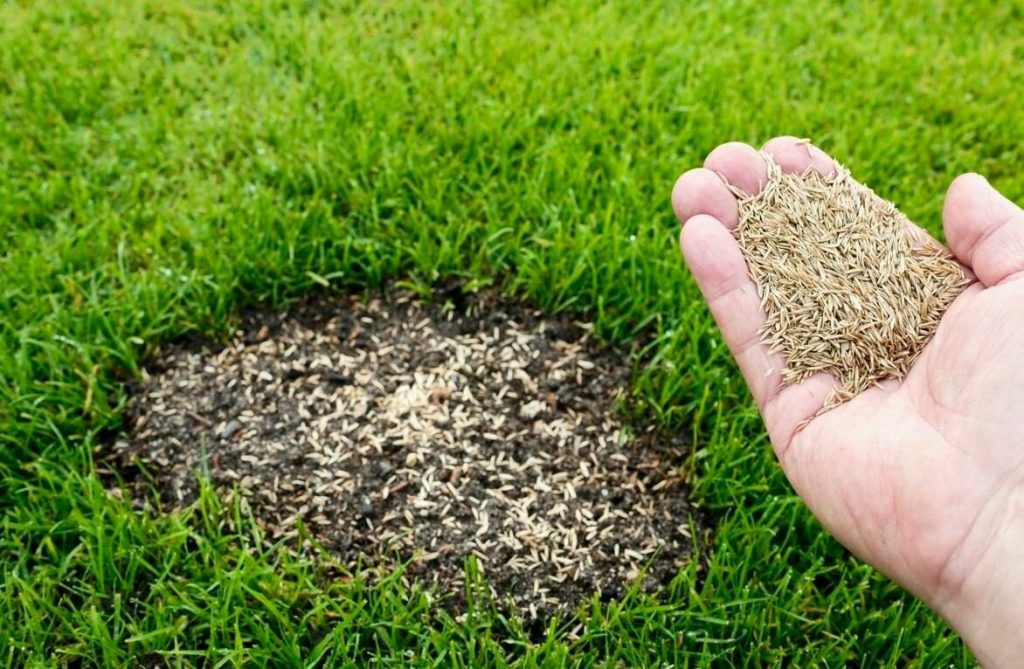
Perennial ryegrass is prized for its quick germination and ability to establish rapidly. Many homeowners use it when they need fast results, such as filling in bare spots. It tolerates moderate foot traffic well but does best when blended with other grasses to improve heat and drought tolerance.
Fine Fescue Blends
Fine fescues (creeping red fescue, hard fescue, chewings fescue, and sheep fescue) are excellent for shady lawns or low-maintenance areas. They require less water and fertilizer compared to other grasses, making them perfect for eco-conscious homeowners. Blending fine fescues with bluegrass or ryegrass creates a balanced lawn that adapts to varied conditions across Indiana.
When and How to Plant
Choosing the right time and method to plant cool season grasses is key to success in Indiana.
Best Planting Times for Indiana
- Early Fall (late August to early October): This is the best window, as soil is warm, air temperatures are cooler, and weeds are less aggressive. Grass seedlings have time to establish before winter.
- Spring (April to mid-May): While planting in spring works, it comes with challenges like weed competition and summer heat stress. If you plant in spring, extra care and watering are essential.
Soil Prep and Overseeding Methods
- Test Your Soil: Understanding pH and nutrient levels helps you select the right fertilizer and seed blend.
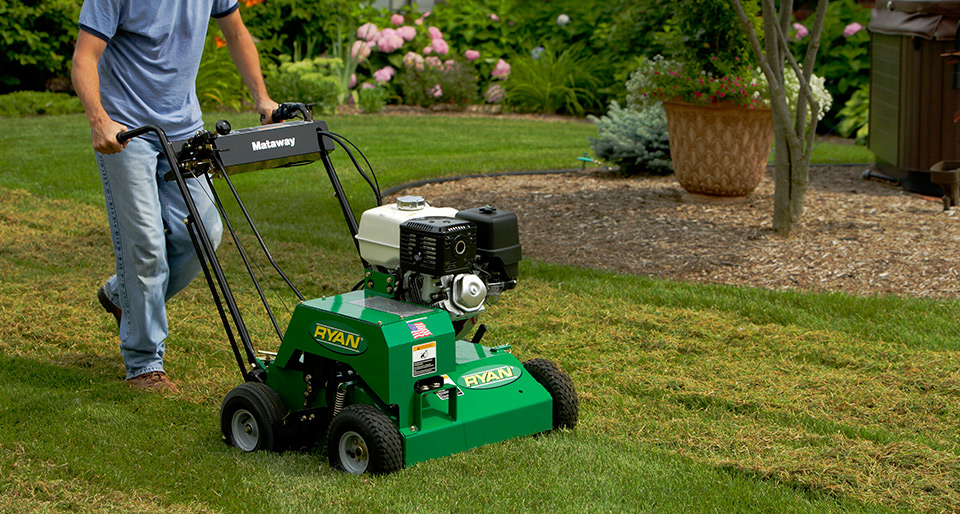
- Prepare the Area: Remove debris, weeds, and thatch to expose bare soil.
- Seed Evenly: Use a broadcast spreader for consistent coverage.
- Water Gently: Keep soil consistently moist until germination.
- Overseeding: For existing lawns, overseeding with cool season grass maintains density and fills thin areas. This is particularly effective in fall when conditions favor growth.
Proper preparation ensures that your lawn takes full advantage of Indiana’s cool-season planting conditions.
Contractor Grass Seed Explained
What Makes It Different?
Contractor grass seed is a blend specifically formulated for rapid coverage and affordability. It typically includes a mix of ryegrass, fescues, and other hardy varieties that germinate quickly. These blends are often used by contractors, landscapers, and property managers to establish lawns quickly on large properties.
The main advantage is cost-effectiveness and speed. Contractor blends cover large areas without requiring expensive specialty seeds, making them appealing for new construction lawns, rental properties, or areas where immediate coverage is more important than premium aesthetics.
When to Use It and Why
Contractor grass seed works best in situations where you need:
- Quick Results: Ryegrass in these blends sprouts fast, giving you a green lawn within weeks.
- Budget-Friendly Options: It’s ideal for large-scale seeding projects where cost is a concern.
- Temporary Coverage: Great for erosion control or areas that may later be reseeded with higher-end blends.
However, contractor seed may not always provide the same long-term quality as premium blends. For homeowners who want a lush, uniform, and durable lawn, combining contractor seed with higher-quality cool-season grass types can yield better results.
When to Call in Lawn Care Professionals
While DIY seeding can work, some homeowners struggle with soil preparation, seed selection, and consistent maintenance. If you’ve had repeated challenges with bare spots or weeds, consulting with a local lawn care provider is a smart move.
Want the best grass for Indiana’s seasons? C & L Lawncare can guide your lawn seeding plan, helping you select the right blend of cool-season and contractor grass seed for long-lasting results.
Frequently Asked Questions
Can I mix contractor seed with store-bought seed?
Yes. Many homeowners mix contractor blends with premium cool-season grasses like Kentucky bluegrass or fine fescue. This provides fast germination from the contractor blend and long-term durability from higher-end seeds.
How long does cool-season grass take to germinate?
It depends on the variety. Perennial ryegrass may sprout in 5–7 days, while Kentucky bluegrass can take up to 14–21 days. Fine fescues typically germinate within 7–14 days. Consistent watering during this period is critical.
Building the Best Lawn for Indiana
Cool season grasses are the backbone of healthy Indiana lawns, offering resilience in fluctuating climates and long-lasting curb appeal. Whether you choose Kentucky bluegrass, perennial ryegrass, or fine fescue blends, proper planting and care are key to success.
For budget-friendly projects, contractor grass seed provides quick, affordable coverage. While it may not always match the quality of premium blends, it’s an effective solution for large properties or temporary lawns. Blending contractor seed with high-quality cool-season grasses can give you the best of both worlds fast results and lasting beauty.